

When Allen Law is consulted about a defamation matter, one of the common questions we get asked is, “How much can I claim for defamation?”
In Australia, damages for defamation are capped for general reputational harm, but additional amounts may be awarded for economic loss and aggravated damages depending on the circumstances.
In this article we examine how damages work in defamation, how damages are calculated based upon a number of factors (such as the extent of publication, the seriousness and gravity of the imputations, and the degree of harm caused to reputation).
This article examines:
- A short introduction to the elements of defamation in Australia. If you want to read more about defamation, you can start here → what-is-defamation
- The maximum amount of damages which can be awarded for reputational harm;
- What types of damages can be claimed;
- When damages can be reduced;
- What types of damages are excluded;
- The highest awards of damages for defamation in recent Australian history;
- What courts you can sue in;
- Initial first steps to suing for defamation; and
- Finally, a Frequently Asked Questions section to sum it all up.
An Overview of Defamation in Australia
Defamation law in Australia is largely uniform (albeit, there are differences between certain States and Territories). The only State which has not enacted the stage 1 reforms (which includes the element of serious harm examined below) is Western Australia.
For a plaintiff to be successful in defamation in Australia, they must usually prove (unless you are in Western Australia):
- that the defendant (the publisher) published defamatory matter to another person, that is, a third person;
- that the defamatory matter identified the plaintiff;
- that the defamatory matter was defamatory, that is, that it carried one or more imputations (meanings), which are capable of reducing the reputation of the plaintiff in the minds of right thinking members of society; and
- that the plaintiff has suffered, or is likely to suffer, serious harm to their reputation.
If the plaintiff successfully establishes each element, the only questions which need to be answered after that are:
- how much damages (money) should the plaintiff be awarded?; and
- how much should the plaintiff recover in legal costs?
What Is the Maximum Amount of Damages for Defamation?
In all Australian States and Territories, damages for defamation for reputational harm, known as general damages, are capped by statute.
What this means is that there is a maximum which the legislation determines can be awarded to a successful plaintiff.
In the Defamation Act 2005 (Vic), when it initially passed Parliament and received Royal Assent, section 35 of the Act provided that the maximum amount of damages was $250,000.00.
However, subsection 35(3) of the Act requires the Minister (generally the Attorney General of that State or Territory) to publish in the Government Gazette the updated amount, usually tied to CPI (consumer price index), as published by the Australian Statistician.
Currently, at the time of reading this article, the maximum amount which can be awarded for general reputational harm under the Defamation Act 2005 (Vic) is $500,000.00 from 1 July 2025. This will change from 1 July 2026, and each year thereafter.
When Can Someone Recover the Maximum Amount?
The Defamation Act 2005 (Vic) makes clear that the maximum amount can only be awarded in the most serious of cases.
Most cases, however, will not fall within the “most serious cases” category.
What Types of Damages Can Be Claimed for Defamation?
In addition to general damages (which are capped), a plaintiff can recover the following damages, which are uncapped:
- Special (or economic) damages; and
- Aggravated damages.
Special (Economic) Damages
Special damages are damages which are not awarded as of right. A plaintiff must prove that they suffered economic loss in order to recover these damages.
Types of special damages usually include:
- Loss of employment;
- A reduction in revenue shortly after publication (often indicated by previous trading figures and a sharp decline);
- Loss of clients (shown through cancellations or reduced enquiries); and
- Loss of opportunity (for example, acting contracts, advertising contracts, sponsorships).
Aggravated Damages
Aggravated damages are awarded where the conduct of the defendant has aggravated the harm caused.
Examples include:
- Failing to apologise when requested;
- Continuing to publish similar imputations; and
- Organising a malicious campaign of attack and encouraging others to publish defamatory material.
Can Defamation Damages Be Reduced?
Yes. A publisher can take steps to reduce (mitigate) the amount of damages payable.
This includes:
- Apologising;
- Publishing a correction;
- Where the plaintiff has already received compensation from another person; and
- Any other matter the court considers relevant to mitigation.
What Types of Damages Are Excluded?
Section 37 of the Defamation Act 2005 (Vic) prohibits courts from awarding exemplary damages.
Exemplary damages are damages intended to punish the defendant or make an example of their conduct.
Examples of High Defamation Awards in Australia
Damages for defamation in Australia are comparatively lower than in other jurisdictions.
Rebel Wilson v Bauer Media
Damages for defamation in Australia are comparatively low compared to other common law jurisdictions (for example, America sometimes has damages in the hundreds of millions – I know right! Crazy!!).
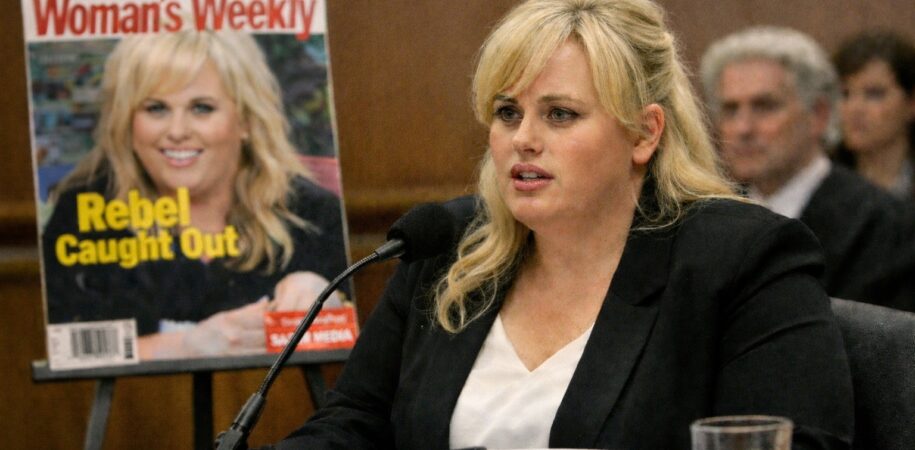
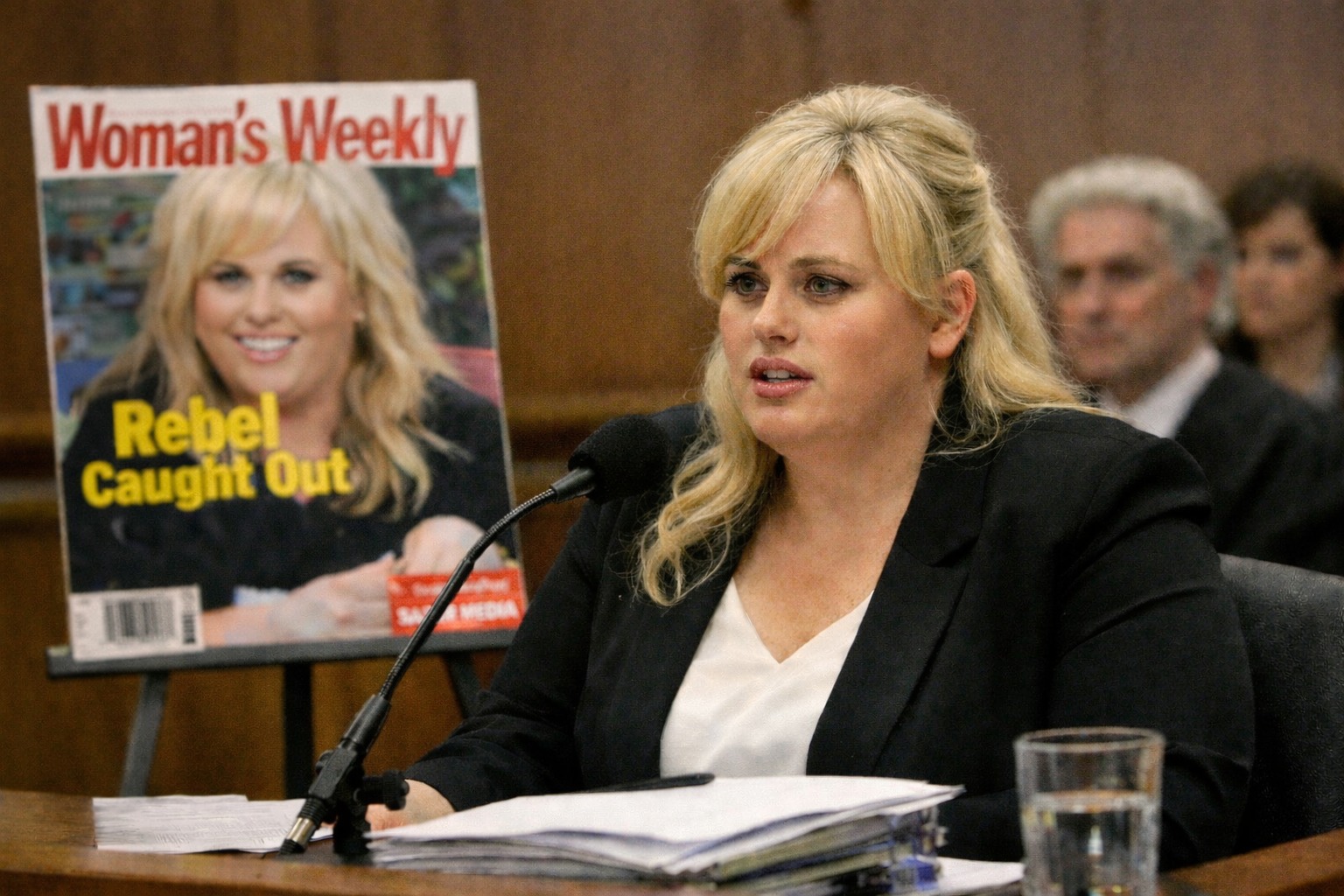
You may remember a famous Australian actor by the name of Rebel Wilson. Well, in 2016 she commenced proceedings against Bauer Media, the publishers of Woman’s Weekly Magazine.
In that case, Bauer Media had published in the Woman’s Weekly Magazine, which it owned, magazine articles about Rebel Wilson, alleging, among other things, that she was a serial liarwho invented fantastic stories in order to make it in Hollywood.
His Honour, Dixon J presided over the case in the Supreme Court of Victoria with a jury, and on 13 September 2017, His Honour gave judgment in favour of Rebel Wilson in Wilson v Bauer Media Pty Ltd [2017] VSC 521 for the following amounts:
- A lump sum of $650,000.00 for general and aggravated damages; and
- A sum of $3,917,472.00 in special damages.
Unfortunately, the award of damages was significantly reduced on appeal, resulting in Rebel Wilson’s claim for special damages being reduced to NIL and a slight reduction in the total sum award for general and aggravated damages (a reduction from $650,000.00 to $600,000.00). Rebel Wilson was required to repay Bauer Media the special damages she received, but ultimately, Bauer Media was still liable for defaming her.
You can read an article by the Australian Broadcasting Corporation, here.
Deeming v Pesutto (No 3) [2024] FCA 1430
A more recent example of a high damages award was the famous case of Deeming v Pesutto (No 3) [2024] FCA 1430 in which His Honour, O’Callaghan, found that Liberal MP John Pesutto had defamed Moira Deeming when he labelled her neo-nazi, among approximately 100 other imputations.
In that case, Moira Deeming was awarded:
- $300,000.00 in general damages; and
- $0.00 in aggravated damages.
What Court Can I Commence a Defamation Claim In?
In most Australian States and Territories, defamation proceedings must be commenced in the District or Supreme Court.
In limited jurisdictions (South Australia and Queensland), proceedings can be commenced in the Magistrates Court.
The Federal Court may also hear defamation matters where jurisdiction is attracted.
How Do I Start a Defamation Claim?
In every jurisdiction in Australia (except Western Australia), you must issue a concerns notice before commencing proceedings.
The concerns notice must strictly comply with the applicable Defamation Act.
A concerns notice is technical and complex and should be drafted by a lawyer experienced in defamation law → concern notice
How Allen Law Can Help
We have many years of experience practising in defamation law across all States and Territories in Australia.
If you have a defamation matter requiring assistance, contact us today → Contact Us
Frequently Asked Question
How much can I claim for defamation in Australia?
General damages are capped by statute (currently approximately $500,000 as of 1 July 2025), but additional economic and aggravated damages may also be awarded.
Can I claim more than the statutory cap?
Yes. Special (economic) damages and aggravated damages are not capped.
What is the highest defamation award in Australia?
The Rebel Wilson case is one of the highest recent awards, although parts of the damages were reduced on appeal.
What court do I sue in for defamation?
In most States and Territories, proceedings are commenced in the District or Supreme Court, with limited exceptions.
How do I sue for defamation?
You must first issue a concerns notice in most Australian jurisdictions before commencing court proceedings.
Phone: (03) 7020 6563
Email: [email protected]
Website: www.allenlawyers.com.au
Disclaimer: This article is general in nature and does not constitute legal advice. Please contact Allen Law for advice tailored to your particular situation.

