


Introduction
Visa application are not considered in Australia is a common issue that many applicants face, often without realising that their application may never be assessed if it is not properly made.
Many people assume that when a visa application is unsuccessful, it is because it has been assessed and refused.
In reality, this is not always the case.
Some visa applications are never considered at all.
Before an application can be assessed, it must first meet specific legal requirements. If those requirements are not satisfied, the application will not be considered and will not be assessed on the merits.
This distinction is important. It means that even if a person meets all the criteria for a visa, their application may never be reviewed if it has not been properly made.
For many applicants, this comes as a surprise. The focus is often on eligibility – whether they qualify for the visa – rather than whether the application itself has been correctly prepared and submitted.
This issue of a visa application are not considered in Australia highlights the importance of understanding legal requirements before applying.
This article explains how this works in practice, why it matters, and how to avoid common issues that may prevent an application from being considered.
For official guidance, refer to the Department of Home Affairs and the Australian Government.
Table of Contents
Visa Application are Not Considered in Australia: What Makes an Application Valid?
Before a visa application can be assessed, it must first meet certain legal requirements. These requirements determine whether the application can be accepted for processing.
This is sometimes referred to as whether the application has been ‘properly made’.
These requirements relate to how the application is made, rather than whether the applicant qualifies for the visa.
For example, the application must generally:
- Be made using the correct form
- Follow the required application process
- Include the necessary information at the time of lodgement
- Be accompanied by the correct application fee (where required)
- Be lodged in the correct manner and from the correct location.
If these requirements are met, the application can proceed to the next stage, where it is assessed on the merits.
If they are not met, the application will not proceed at all.
Under Australian migration law, a visa application are not considered in Australia situation arises when validity requirements are not met.
Visa Application are Not Considered in Australia: Not Assessed on the Merits Explained
When an application is assessed on the merits, the decision-maker considers whether the applicant meets the requirements for the visa.
This includes reviewing:
- The applicant’s circumstances
- Supporting documents
- Eligibility criteria for the visa.
A decision is then made to either grant or refuse the visa.
However, if an application is not properly made, it does not reach this stage.
Instead:
- The application is not evaluated
- No decision is made about eligibility
- The merits of the case are never considered.
In simple terms, the application does not get through the ‘front door;’ of the system.
What Happens If an Application Is Not Properly Made?
If a visa application does not meet the required criteria at the outset, it has significant consequences.
The application:
- Is not considered
- Is not assessed on the merits
- May be returned to the applicant
- May be treated as though it was never properly lodged.
Importantly, this is not the same as a visa refusal.
A refusal occurs after an application has been assessed and a decision is made that the applicant does not meet the visa criteria.
By contrast, an application that is not properly made does not result in a decision about eligibility at all.
This distinction is critical, particularly where timing, legal status, or future visa options are involved.
These are some of the most common causes of a visa application are not considered in Australia outcome.
Visa Application are Not Considered in Australia: Why This Distinction Matters
This is one of the most misunderstood aspects of the visa process.
Many applicants focus heavily on eligibility – whether they meet the visa requirements – but overlook the importance of making the application correctly.
The consequence is that:
- An application may fail before it is even reviewed
- Time and money may be lost
- The applicant may need to start the process again.
In some situations, the impact can be more serious.
For example:
- A person may lose their lawful status in Australia
- Opportunities to apply for certain visas may be lost
- Future applications may be affected.
For businesses, the consequences can include delays in hiring or disruptions to workforce planning.
Common Reasons a Visa Application Is Not Considered in Australia
Whether an issue affects an application depends on the type of visa and the specific requirements that apply. However, there are common issues that arise in practice.
These include:
Using the Wrong Application Form
Each visa type requires a specific form. Using the wrong form may mean the application is not accepted.
Not Following the Required Application Process
Some visas must be applied for online, while others have specific lodgement requirements. Failing to follow the correct process can prevent the application from being considered.
Problems with Payment
The application fee must usually be paid correctly at the time of lodgement. Issues with payment can affect whether the application is accepted.
Missing Required Information
Certain information must be provided when the application is made. If key details are missing, the application may not proceed.
Incorrect Lodgement Method or Location
Some visas require applicants to be in or outside Australia at the time of application. Lodging from the wrong location can affect validity.
These issues are not about whether someone qualifies for a visa.
They determine whether the application is considered at all.
Visa Application are Not Considered in Australia: Validity vs Eligibility
Understanding the difference between validity and eligibility is essential.
There are two separate stages in a visa application:
- Can the application be considered?
This depends on whether the application has been properly made.
- Does the applicant qualify for the visa?
This is only assessed after the application is accepted.
A key point is:
Whether someone qualifies for a visa does not matter if the application is not properly made.
This distinction explains why some applications are never assessed, even where the applicant may otherwise meet all the criteria.
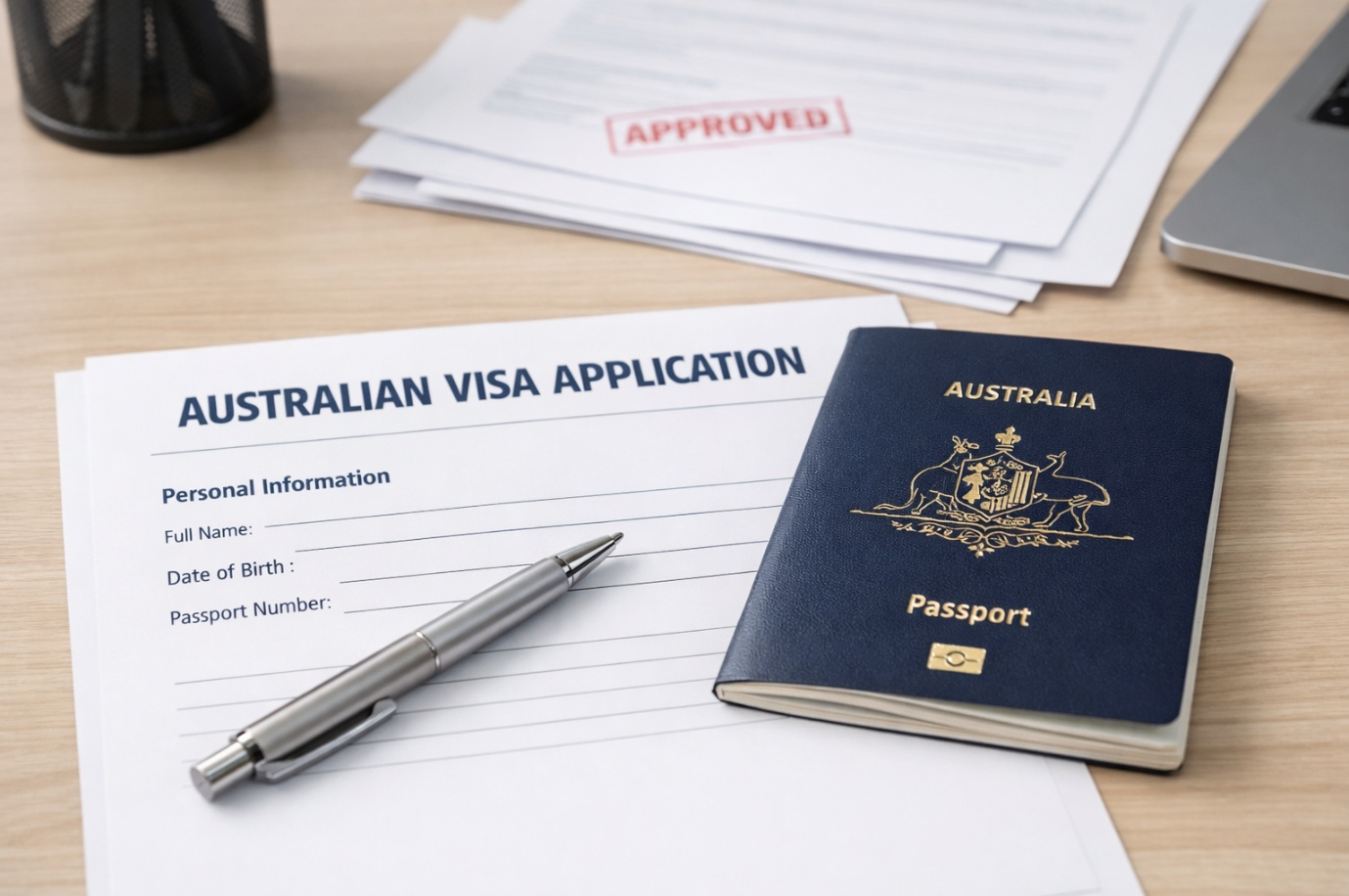
When a Visa Application are not Considered in Australia
In some situations, a person may not be able to make a valid application at all.
This can arise in circumstances such as:
- A previous visa has been refused or cancelled
- A visa condition restricts further applications
- The person is required to apply from outside Australia
- Specific rules apply to the visa being sought.
These situations can be complex and may not always be obvious.
Making an application without understanding these restrictions can result in the application not being considered.
Why Getting This Right Is Important
Ensuring that a visa application is properly made is a critical step in the process.
For Individuals
- It determines whether your application will be considered
- It can affect your lawful status in Australia
- It may influence future visa opportunities.
For Businesses
- It affects workforce planning and timing
- It can delay sponsorship and recruitment
- It creates uncertainty and operational risk.
Mistakes at this stage are often avoidable but can have significant consequences.
Practical Example
Consider an applicant who meets all the criteria for a visa – they have the required qualifications, experience, and supporting documents.
However:
- They use the wrong application form
- Or, fail to follow the correct lodgement process.
In this situation, the application may not be considered at all.
The applicant’s eligibility becomes irrelevant because the application itself has not been properly made.
When to Seek Advice
You should consider seeking advice before lodging an application if:
- You are unsure about the correct visa or process
- You have had a visa refused or cancelled before
- Your situation involves timing or status issues
- The visa pathway is complex.
Early advice can help ensure that your application is properly made and reduce the risk of delays or complications.
Not Sure If Your Visa Application Will Be Considered?
Many visa applications fail before they are ever assessed – not because the applicant is not eligible, but because the application was not made correctly.
If you are unsure whether your application meets the required requirements, it is important to address this before lodging.
A small mistake at this stage can mean your application is never considered.
Get Clarity Before You Apply
Avoiding a situation when visa application are not considered in Australia outcome requires careful preparation and compliance.
We can help you:
- Confirm whether your application can be properly made
- Identify risks that may prevent your application from being considered
- Ensure all requirements are met before lodgement
- Advise on the best pathway based on your situation.
Speak With Us
If you are planning to apply for a visa, or have concerns about a current or previous application, it is best to seek advice early, Contact us today.
Book a consultation to ensure your application is properly prepared before lodgement.
Phone: (03) 7020 6563
Email: [email protected]
Website: www.allenlawyers.com.au
Disclaimer: This article is general in nature and does not constitute legal advice. Please contact Allen Law for advice tailored to your particular situation.

