
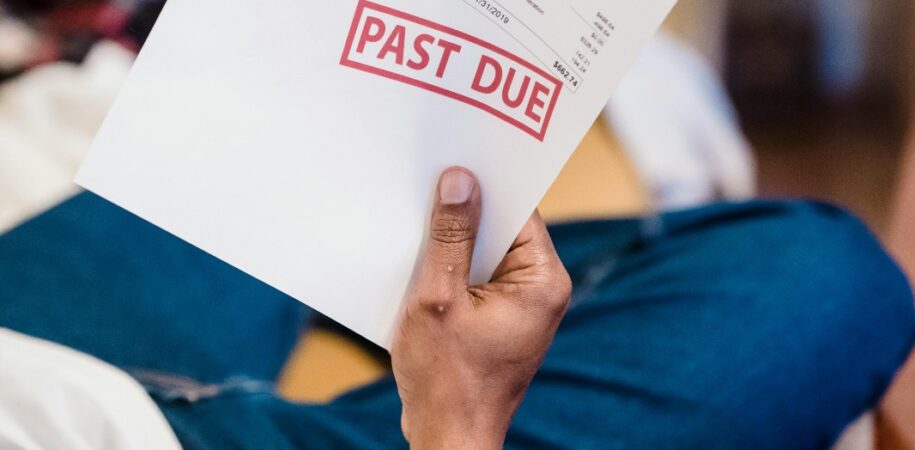

A quick guide for businesses: Strategies, legal options, and best practices for businesses to collect overdue invoices in 2026
How to get paid unpaid invoices is a key concern for many Australian businesses in 2026, and this guide explains practical steps and legal options available to recover overdue payments efficiently and effectively.
Like all businesses in Australia, most of which are small to medium sized businesses, obtaining payment is crucial for the continued operation of the business. It is particularly important that payment is made as soon as possibleafter the invoice has been issued, and in accordance with its terms.
Unpaid invoices remain a serious problem for businesses of all shapes and sizes, from sole traders to multinational corporations. In 2026, the challenge remains substantial: every unpaid invoice represents not only lost income, but also a hit to cash flow, business stability and the costs of recovery. Businesses that let unpaid amounts linger often suffer operational issues, weakened finances other stressors. This is coupled with the likelihood of recovery significantly deceasing over time. It is for that reason that acting quickly is as important, if not more important, than how the situation is approached.
We have prepared a brief but nevertheless, detailed overview for Australian businesses heading into 2026, to help them prepare for those pesky little things called unpaid invoices and guide them on how to get paid unpaid invoices.
Debt Recovery Lawyers for Unpaid Invoices
Unpaid invoices can place significant pressure on a business’s cash flow and operations. Debt recovery involves taking structured and lawful steps to recover outstanding amounts while preserving commercial relationships where possible.
At Allen Law, we assist businesses across Australia with debt recovery strategies designed to recover unpaid invoices efficiently and cost-effectively, whether through negotiation, formal demand, or legal enforcement.
Why Unpaid Invoices Happen
Before exploring collection tactics, it’s important to briefly consider some of the reasons why invoices remain unpaid after they have been issued. Some of those reasons can be:
- Administrative issues: Sometimes invoices simply not received correctly, for example, to the correct email address, or are received into a span/junk folder. Sometimes they are merely innocently forgotten/ignored.
- Internal business issues: Some companies have complex pay-run cycles requiring multiple approvals. Whilst this may not be your business’s fault, it is, simultaneously, not your problem either, if the company has agreed to your terms and conditions.
- Cash flow problems: Clients may genuinely lack the funds to settle their bills when due. This is one of the major concerns, if it arises – it increases in risk the larger the amount of work which is to be done, or the size of the invoice.
- Disputes: Customers may withhold payment due to disagreements about deliverables, quality, or scope. Whilst this is a separate issue, and not strictly speaking, a basis to withhold payment, it is common enough to warrant mention.
Many issues can be resolved with clear payment terms and proactive communication. However, sometimes, neither of these are sufficient to reduce the risk, or the issue itself.
Below are various steps we have outlined to help reduce the risk of your invoices remaining unpaid.
Set clear payment terms from the get-go
Effective invoice collection starts before work begins. It is through setting clear payment terms that prompt payment is more likely to occur.
Essential Terms to Include
- Net payment terms: for example, 30 days, 14 days or 7 days.
- Late payment interest: a term that requires interest, calculated at a specified rate (and in certain industries, this is capped) to be paid from the date the invoice becomes overdue.
- Deposit requirements: If the amount of work required is substantial, a request for a deposit should be made. Likewise, this applies if the customer is high-risk, or the industry is a high-risk industry with a higher likelihood of defaults/insolvency.
- Accepted payment methods: For example, bank transfer, card payments, PayID, cash, etc. This makes it clear to the client as to how payment is to be made before the due date.
Clearly outlining in the contract or engagement letter (if you have one) reduces miscommunication and gives you legal standing to enforce the terms of payment, such as following up, if payment is not made by the due date.
Invoice promptly and accurately
One of the easiest ways to increase the likelihood of payment of an invoice is to promptly issue the invoice after the work has been completed (or otherwise as is necessary/agreed). Tips include:
- Send invoices immediately after completion of work or delivery of goods.
- Double-check details, such as invoice numbers, date, amount, client contact info, and GST. data. Errors give clients a reason to delay payment, by asking follow up questions, etc.
- Automate delivery and reminders: For example, consider using accounting or bookkeeping software, such as Xero or MYOB or a similar software which assists in automating the invoicing process, helps your invoices look professional and serious, as well as the benefits of reminders and follow ups, etc.
Best Practices for Following Up on Unpaid Invoices
When wondering how to get paid unpaid invoices promptly, the first step is to send a clear written demand outlining the overdue amount and your expectations.
If an invoice remains unpaid past its due date, a structured follow-up procedure increases your chances of receiving payment without the it escalating into a dispute. Practical steps include:
- Sending early and regular reminders: for example, sending a reminder 5 days before the due date, and a follow up if it remains unpaid after 2 or so days from the invoices payment date.
- Post-due reminders, send them frequently, every 7 days.
Be professional and courteous in all requests for payment. Studies indicate that understanding approaches to invoice collection are more likely to well received and thereafter, paid in a timely manner.
Keep a record
Keep a record of unpaid invoices, and keep the records regularly updated. This allows you to easily identify when an invoice is due, when it is overdue, and it all helps in understanding your business’ cash flow, along with other detailed insights into your business! It also helps staff to understand, visually, the degree of urgency which should be given to each particular matter and invoice.
What should I do if the invoice continues to remain unpaid after several reminders? Make Direct Contact!
Email reminders alone may not always work, depending on the situation. Sometimes making direct contact, such as over the phone, to gently remind them that the invoice is overdue, helps to clarify the situation (it may simply have just been an oversight after all). A phone call helps to:
- Confirm that the invoice has been received;
- Ask if there are any issues preventing payment; and
- Request a firm payment date.
Offer Flexible Payment Options
If clients are struggling financially, consider:
- Payment plans to divide the invoice into manageable instalments.
- Partial settlement upfront before agreeing on a longer plan.
Offer these in writing to avoid confusion. Flexible terms may recover a large portion of what’s owed rather than receiving nothing at all, and a client is more likely to make payment if they have agreed to a payment plan.
Charge Late Payment Fees
Late fees act as a deterrent and incentive for on-time payment. However, late payment charges must be clearly outlined in your contract or invoice terms prior to sending the invoice.
Escalating the Collection Process
If standard follow-up doesn’t work, the matter will need to be escalated, usually to a lawyer.
Final Demand Letter
A final payment demand is a formal notice giving the debtor a last chance to pay before further action. Include:
- Amount outstanding
- Invoice number(s)
- Previous communication history
- A firm deadline (e.g., 7 days)
- Consequences of non-payment (legal action, debt collection, etc)
This step often prompts payment because it signals seriousness. However, a lawyer, such as Allen Law, should usually be used to send the final demand letter, as the action of instructing a lawyer, and the demand being on a law firm’s letter head, generally indicates to the debtor that the debt collection process is serious, and should not be ignored.
Legal Action: When and How
If a final demand letter has been sent, and payment has still not been received, legal action will likely be necessary, especially if the invoice is for a significant amount.
Court Proceedings
If the debtor still refuses to pay, you will usually need to consider taking the matter to court.
The process typically involves filing a Statement of Claim, serving the debtor, and seeking default judgment if they don’t respond. After a judgment, enforcement options include garnishee orders, writs of execution, or bankruptcy notices for unpaid debts above statutory thresholds, along with other enforcement mechanisms, depending on the court and jurisdiction the proceedings are in.
Further, statutory demands (if the debtor is a corporation), can be considered if the amount is above the statutory threshold, which is currently $4,000.00.
How to get paid unpaid invoices in Australia?
Start with clear written reminders, follow up with demand letters, and consider legal recovery options such as statutory demands or court proceedings if informal steps fail.
What is the first step for unpaid invoice recovery?
Send a polite but firm invoice reminder with a clear timeframe and consequences for non-payment, and maintain records of all communication.
Can I sue for unpaid invoices?
Yes. If the debtor refuses to pay, you can initiate debt recovery through formal legal action, including court claims for unpaid amounts.
What is a statutory demand?
A statutory demand is a formal legal notice that can be issued to compel payment of an undisputed debt, and non-compliance can lead to insolvency proceedings.
Do I need a lawyer to recover unpaid invoices?
Legal advice helps ensure proper procedures, protect your rights, and increase the likelihood of recovery, especially for significant debts or disputes.
Legal options for how to get paid unpaid invoices in Australia?
Legal options for how to get paid unpaid invoices in Australia include:
- Insolvency action (for companies)
- Statutory demands
- Court proceedings
How to Get Paid for Unpaid Invoices in Short
The process of recovering unpaid invoices typically involves several escalating steps, depending on the circumstances of the debt and the debtor’s response.
Common debt recovery steps include:
- issuing payment reminders and follow-up correspondence;
- sending a formal letter of demand;
- engaging in negotiation or settlement discussions;
- issuing a statutory demand (where applicable);
- commencing court proceedings to recover the debt.
Taking early, strategic action can significantly improve recovery prospects and reduce the likelihood of disputes escalating into litigation.
When Legal Action May Be Required to Recover a Debt
While many unpaid invoices can be resolved through early engagement and formal demand, some matters require legal action. This may be necessary where a debtor disputes liability, ignores correspondence, or refuses to engage in settlement discussions.
Legal action for debt recovery may involve commencing proceedings in the Magistrates’ Court or other appropriate court, depending on the amount in dispute and the nature of the debt.
Businesses should obtain legal advice before commencing proceedings to ensure the debt is recoverable and the process is commercially justified.
Conclusion
Managing unpaid invoices remains a significant issue for businesses, even in 2026. But with clear payment terms, proactive, efficient and effective follow-up, structured escalation strategies, and a willingness to use legal and professional resources, businesses can significantly improve their cash flow, minimise financial risk and increase the likelihood of recovery.
From automated reminders to legal action, each step in this guide on how to get paid unpaid invoices is aimed at helping business and business owners equip themselves with the tools to get paid on time, all the time, and to maintain healthy client relationships. Implement these practices now to protect your business’ financial position, and recovery chances for unpaid invoices.
According to the Australian Competition and Consumer Commission (ACCC), timely payment of invoices helps avoid unnecessary debt recovery action.
How Allen Law Can Assist With Debt Recovery
Allen Law regularly assists businesses with debt recovery and unpaid invoice disputes across a wide range of industries. We advise on recovery strategies, prepare formal demands, negotiate settlements, and commence enforcement proceedings where necessary.
Our approach focuses on recovering outstanding amounts efficiently while protecting our clients’ commercial relationships and long-term interests.
If your business is struggling to recover unpaid invoices, obtaining early legal advice can significantly improve outcomes.
Contact us today, to see how we can help you and your business with unpaid invoices!
Phone: (03) 7020 6563
Email: [email protected]
Website: www.allenlawyers.com.au
Disclaimer: This article is general in nature and does not constitute legal advice. Please contact Allen Law for advice tailored to your particular situation.

